Commercial Moves in Clapham
When a business in Clapham needs to move, the work has to be handled with care, planning, and the kind of local knowledge that keeps disruption to a minimum. Commercial Moves in Clapham are rarely simple. Offices may be tucked above high-street units, studios can sit in converted terraces, clinics may operate from shared buildings, and small warehouses or back-of-house spaces often have tight access that makes loading awkward. For local customers, the right moving team is not just about transport; it is about protecting equipment, staying on schedule, and making the transition as smooth as possible for staff and clients alike.
Whether you are relocating a shop, moving an office, shifting part of a workspace, or reorganising a business premises, it helps to choose a team that understands Clapham’s mix of property types and road layouts. From Clapham High Street and Clapham North to Clapham Common, Clapham South, and nearby Battersea, local moves can come with parking controls, shared entrances, narrow staircases, and time limits that need careful coordination. A well-managed commercial removal service helps you avoid unnecessary delays and keeps your day moving forward.
Looking for a practical, reliable service for your business move? Commercial moves in Clapham should be planned around your operations, building access, and any items that need special handling. If you are preparing for a relocation, refurbishment, expansion, or downsizing, the right support can make a major difference to the outcome. Request a free quote and arrange your move with confidence.
Why local commercial removals matter in Clapham

Clapham is a busy part of South West London with a strong mix of independent businesses, professional services, hospitality venues, wellness spaces, and flexible workspaces. That variety is one of the reasons business relocation here benefits from a local approach. A team that regularly handles commercial removals in Clapham is more likely to understand how to work around limited parking, timed access, and busy surrounding streets. That can make a real difference on moving day, especially if the move has to happen outside normal trading hours or around client appointments.
Many commercial properties in the area are not purpose-built offices. Businesses often work from converted houses, shared commercial buildings, basement spaces, upper floors, and compact units with restricted entry points. These premises may be ideal for local businesses, but they can present challenges during a relocation. Narrow stairwells, awkward loading bays, and the need to protect communal areas mean the move has to be handled with attention to detail.
Choosing a local company for Commercial Moves in Clapham also helps when timing matters. If your business needs to vacate a space by a certain date, coordinate with landlords or building managers, or complete a staged move over several days, a nearby team can plan more flexibly. That responsiveness can be especially useful for companies that cannot afford long interruptions to service.
Who uses commercial moving services in Clapham?

Commercial removals are not only for large offices. In Clapham, the demand comes from a wide range of businesses and organisations, each with different needs. Some customers are moving a small office with desks, chairs, archive files, and IT equipment. Others are relocating retail stock, display units, tills, and fixtures. Some are moving from one shared workspace to another, while others are setting up a new treatment room, studio, or consultation space.
Typical local customers include:
- Professional practices moving office furniture and paperwork
- Retail businesses relocating stock, shelving, and shop fittings
- Cafés, bars, and hospitality venues moving equipment or storage items
- Clinics, salons, and wellness providers shifting delicate contents and specialist items
- Creative studios with bulky materials, samples, or equipment
- Start-ups moving into their first commercial space
- Growing firms expanding into larger premises nearby
Every move needs a plan that reflects the type of business involved. A law office will have different priorities from a design studio or a café. A good removal team will ask the right questions early so the move can be prepared around your actual working patterns, not just around the size of the van or the number of boxes.
What is included in a commercial move?

A professional business relocation service should cover the practical tasks that make the move possible and reduce the strain on your team. Depending on your requirements, that may include planning, loading, transport, unloading, and placement of items in the correct rooms or areas. It can also include dismantling and reassembly of selected furniture, handling of fragile equipment, and coordination with building access times.
Common elements of commercial moves in Clapham include:
- Initial discussion of your property, contents, access, and schedule
- Planning around business hours, building rules, and parking arrangements
- Supplied packing materials where needed for office or business contents
- Careful wrapping or protection of furniture, equipment, and finishes
- Systematic loading to keep items organised and secure during transit
- Transportation to the new premises, storage location, or satellite site
- Unloading and placement according to your floor plan or instructions
- Optional dismantling and reassembly of basic office furniture
For many businesses, the value lies in the method. Commercial moves are often more efficient when items are labelled, rooms are assigned in advance, and fragile or high-value equipment is separated from general furniture. That sort of structure helps reduce confusion at the new site and supports a quicker return to normal operations.
Planning your move around Clapham’s streets and buildings
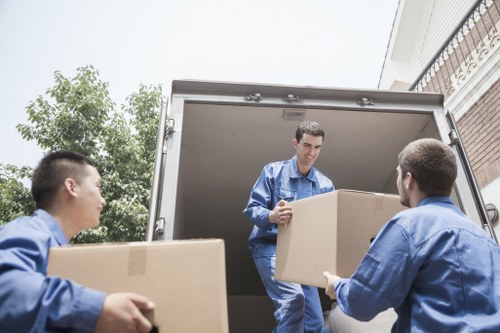
Local geography matters more than many people expect. Clapham has a lively mix of residential streets, commercial parades, and transport links, but that convenience can come with access challenges. Busy roads, controlled parking zones, and high footfall around the Common and the high street can affect how a moving team approaches the job. A business relocation service that understands these conditions can plan the vehicle position, loading times, and route more effectively.
Some properties are easier to access than others, and the differences may not be obvious until move day. For example, a business above a shop may have rear access but only at specific times. A basement unit may need extra care for stairs and equipment handling. A shared office building may require booking a lift or notifying a building manager in advance. These details are not small points; they can shape the whole move.
That is why a local service for Commercial Moves in Clapham is so useful. A team familiar with the area can suggest practical timings, flag likely access concerns, and help you prepare your contents in a way that suits the building. If your premises are near Clapham Junction, Wandsworth Road, Balham, or Brixton, local traffic patterns and parking conditions may influence the move even more. Planning ahead helps prevent avoidable delays.
Common access issues to think about
Before booking, it helps to consider the following:
- Whether there is loading access at the front, side, or rear of the property
- If permits, visitor bays, or temporary parking arrangements are needed
- Whether lifts are available and large enough for equipment
- How many stairs or internal steps are involved
- Whether the move must avoid peak foot traffic or trading hours
- Whether other tenants, neighbours, or building managers need advance notice
How a commercial move usually works

Most business customers want a move that feels straightforward, predictable, and well controlled. A clear process makes that easier. While every project is different, commercial removals in Clapham usually follow a sequence that helps reduce disruption and keep everyone informed.
Step 1: Assessment and planning
Discuss what is being moved, the size of the premises, the type of items involved, and any concerns about access, timing, or fragile equipment. For larger or more complex jobs, a site visit may be useful so the team can understand the space properly.
Discuss what is being moved, the size of the premises, the type of items involved, and any concerns about access, timing, or fragile equipment. For larger or more complex jobs, a site visit may be useful so the team can understand the space properly.
Step 2: Preparation
Boxes, labels, packing materials, and a floor plan are often prepared in advance. This stage is especially important for offices and workspaces with a lot of shared equipment or files. It is also the point where special instructions can be added, such as which items should be loaded last or unloaded first.
Boxes, labels, packing materials, and a floor plan are often prepared in advance. This stage is especially important for offices and workspaces with a lot of shared equipment or files. It is also the point where special instructions can be added, such as which items should be loaded last or unloaded first.
Step 3: Moving day
On the day, items are protected, moved out carefully, and loaded in a structured way. Good organisation matters because it helps the unloading process run more smoothly and reduces the chance of misplaced items.
On the day, items are protected, moved out carefully, and loaded in a structured way. Good organisation matters because it helps the unloading process run more smoothly and reduces the chance of misplaced items.
Step 4: Delivery and placement
At the new site, items are taken to the correct rooms or areas where possible. This helps your team settle in faster and makes it easier to resume working, serving customers, or operating normally.
At the new site, items are taken to the correct rooms or areas where possible. This helps your team settle in faster and makes it easier to resume working, serving customers, or operating normally.
Step 5: Final checks
Once the main move is complete, businesses usually carry out a final walkthrough to confirm that all planned items have been moved and that nothing is left behind.
Once the main move is complete, businesses usually carry out a final walkthrough to confirm that all planned items have been moved and that nothing is left behind.
Preparation checklist for businesses moving in Clapham
Preparation is one of the biggest factors in a successful business move. Even if you hire professionals, your own planning can save time and reduce stress. The best approach is to keep the move simple, clear, and well labelled. That is especially helpful when you are moving into a new office, retail unit, or shared commercial property where there may be multiple rooms or teams involved.
Useful preparation steps include:
- Decide which items are moving, being stored, or no longer needed
- Label boxes clearly by room, department, or item type
- Back up digital data and secure sensitive documents
- Disconnect equipment safely before the moving team arrives
- Notify staff of timing, access arrangements, and responsibilities
- Check lift bookings, parking restrictions, and building rules
- Set aside essentials that will be needed immediately after arrival
- Inform customers or clients about any short-term service changes
For office removals, it can help to assign one person as the move coordinator. That person does not need to do all the work, but they can act as the main point of contact for decisions and instructions. This helps avoid confusion on moving day, especially when staff members are busy packing or finishing tasks before departure.
If your premises contain fragile stock, specialist tools, or confidential records, those should be identified early. A local mover can then plan handling methods that suit the items instead of using a one-size-fits-all approach.
Why businesses choose a local Clapham company
There are practical advantages to working with a team that is familiar with the area. Local removals are not only about distance; they are about understanding the real conditions that affect timing, access, and loading. A local company is more likely to know how business move schedules can fit around Clapham’s roads, parking restrictions, and the busy flow of daily life around the area’s commercial and residential zones.
Benefits of choosing a local commercial removals team:
- Quicker response and easier scheduling for site visits or quotes
- Better awareness of local traffic, parking, and access restrictions
- More practical planning for buildings with shared entries or tight stairways
- Local experience with mixed property types, from high street units to converted houses
- More flexible support for short-notice changes where possible
Local knowledge also helps with understanding nearby business districts. A team regularly working in Clapham is likely to be familiar with surrounding areas such as Battersea, Balham, Brixton, Stockwell, and Wandsworth. That matters when your move is part of a wider business network, involves storage between sites, or needs coordination between multiple locations.
Useful for relocations, refurbishments, and staged moves
Commercial moves are not always one-off events. Some businesses relocate because they are growing. Others need to move temporarily while their property is refurbished or repaired. Some move in stages to keep the business open during the transition. A flexible moving service can support these different needs by working around your schedule rather than forcing you into an impractical process.
Types of commercial moves we help with
Different businesses need different forms of support, and the move should be tailored accordingly. In Clapham, a commercial removal might involve a small team and a few van loads, or it might require a more structured approach with several stages. Either way, the aim is the same: protect the contents, minimise downtime, and make the move manageable.
Office moves
Office relocations often include desks, chairs, monitors, filing cabinets, computers, and paperwork. Planning is especially important here because businesses may need to keep key systems organised so staff can restart quickly after the move. Labelling and room-by-room placement can save a lot of time.
Retail moves
Retail businesses may need help with stock, shelving, display units, point-of-sale equipment, and storage items. The move may also need to be timed around trading hours, stock deliveries, or fit-out work. Careful handling helps protect both the merchandise and the fixtures.
Hospitality and food service moves
Cafés, restaurants, and bars can have bulky equipment, fragile tableware, and back-of-house items that need careful loading. Since some premises have limited access or small service doors, the moving plan should consider how large objects are taken out and brought back in.
Clinic, salon, and studio moves
Treatment rooms, beauty spaces, and creative studios often contain specialist items that need more than basic loading. Clean, organised handling is important, especially where equipment, supplies, or client-facing spaces need to be transferred with care.
Flexible support for partial business moves
Not every customer needs a full relocation. Some need help shifting selected items within the same building, moving storage to a different site, or transferring part of a team to another address. These smaller jobs can still benefit from professional support, especially when the work has to be done quickly and with minimal disruption.
Pricing factors for commercial moves in Clapham
Commercial move costs can vary depending on the size and complexity of the job. Because every business is different, it is better to think in terms of pricing factors rather than fixed assumptions. That way, you can plan realistically and understand what influences the quote you receive.
Common pricing factors include:
- Volume and weight of the items being moved
- Distance between the old and new premises
- Access conditions, including stairs, lifts, and loading space
- Time required for dismantling, wrapping, loading, and unloading
- Any need for after-hours, weekend, or staged moving arrangements
- Special handling for fragile, heavy, or high-value items
- Parking or permit considerations linked to the location
It is also worth remembering that a slightly more detailed move plan can sometimes save time and money overall by reducing errors and delays. For example, clear labelling and organised access can help the move finish faster and reduce the need for repeated handling. If you are moving a business in or around Clapham, asking for a tailored quote is the best way to get a sensible estimate based on your actual requirements.
Need a quote for your business relocation? Contact us today to discuss your premises, timings, and move needs so you can compare your options with confidence.
Minimising downtime during a business relocation
For most commercial customers, the main concern is not simply moving things from one place to another. It is keeping the business running. That is why professional planning matters so much. A well-organised move can help you avoid long closures, reduce stress for employees, and keep disruption to clients, tenants, or customers as low as possible.
There are several ways to reduce downtime during a move:
- Move in stages, starting with non-essential items
- Schedule the relocation outside core trading hours where possible
- Prepare boxes and labels in advance so loading is quicker
- Keep essential IT or communication items separate
- Make a simple floor plan for the new premises
- Prioritise items needed for opening day or immediate operations
Sometimes a business move in Clapham also needs to align with landlord timeframes, refurbishment contractors, or fit-out schedules. In those cases, the removal service should be coordinated with the wider project so everyone is working to the same timeline. That can make the difference between a smooth transition and a rushed, stressful handover.
Book your service now if your move date is approaching and you want to stay ahead of the practical details.
Areas covered around Clapham
Local customers often need a service that covers more than just the immediate high street. Businesses may be moving between Clapham and nearby districts, or they may need collection and delivery to surrounding locations as part of a wider relocation. A local commercial removals team can usually support moves across the nearby South West London area, depending on the project.
Areas commonly associated with business moves in and around Clapham include:
- Clapham Common
- Clapham North
- Clapham South
- Clapham Junction
- Battersea
- Balham
- Brixton
- Stockwell
- Wandsworth
- Kennington
If your business is moving between these areas, local route knowledge can help with planning and timing. That is especially helpful where one site has awkward loading conditions and the other has strict access rules or limited vehicle space. Working with a team that already knows the local geography keeps things more practical from the outset.
Commercial moves and nearby transport links
Clapham’s transport connections are useful, but they also create busy periods around stations and main routes. If your move is near a station, on a main road, or close to a busy retail parade, timing can be important. A local team can account for these conditions more effectively than someone unfamiliar with the area.
Frequently asked questions
How far in advance should I book a commercial move in Clapham?
It is best to arrange the move as early as possible, especially if you need a specific date, weekend timing, or support around business hours. Early booking also gives you more time to plan labels, permissions, and staff coordination.
It is best to arrange the move as early as possible, especially if you need a specific date, weekend timing, or support around business hours. Early booking also gives you more time to plan labels, permissions, and staff coordination.
Can you help with offices above shops or in older buildings?
Yes. Many local commercial premises are not standard office blocks. Offices above retail units, converted houses, and older buildings can all be moved successfully with the right planning, careful handling, and an understanding of access restrictions.
Yes. Many local commercial premises are not standard office blocks. Offices above retail units, converted houses, and older buildings can all be moved successfully with the right planning, careful handling, and an understanding of access restrictions.
Do I need to pack everything myself?
That depends on the service you arrange. Some businesses prefer to pack documents and personal items themselves while leaving larger furniture and heavier items to the moving team. Others prefer more support. A flexible approach is often best for commercial customers.
That depends on the service you arrange. Some businesses prefer to pack documents and personal items themselves while leaving larger furniture and heavier items to the moving team. Others prefer more support. A flexible approach is often best for commercial customers.
What if my building has limited parking or no loading bay?
That is common in Clapham and should be discussed early. A local removal service can plan around access issues and help you think through the best loading arrangements for your property.
That is common in Clapham and should be discussed early. A local removal service can plan around access issues and help you think through the best loading arrangements for your property.
Can commercial moves be done outside working hours?
In many cases, yes. Evening, early morning, or weekend moves may be possible depending on the details of the job and the access available at each property. This can help reduce disruption for customers and staff.
In many cases, yes. Evening, early morning, or weekend moves may be possible depending on the details of the job and the access available at each property. This can help reduce disruption for customers and staff.
Is a site visit necessary?
For larger or more complicated moves, a visit can be helpful because it gives the team a clearer picture of the space, the access, and any difficult items. Smaller moves may sometimes be planned from a detailed discussion instead.
For larger or more complicated moves, a visit can be helpful because it gives the team a clearer picture of the space, the access, and any difficult items. Smaller moves may sometimes be planned from a detailed discussion instead.
Do you handle single-item business moves?
Yes, many companies need help moving just one or a few items, such as desks, cabinets, machines, or office furniture. Smaller commercial moves can still benefit from professional handling and efficient transport.
Yes, many companies need help moving just one or a few items, such as desks, cabinets, machines, or office furniture. Smaller commercial moves can still benefit from professional handling and efficient transport.
Choosing the right commercial moving partner
When you are comparing services, look for a company that understands the practical realities of business relocation. The most useful partner is one that asks clear questions, explains the process, and works around your needs instead of offering a generic solution. For Commercial Moves in Clapham, that usually means a team with local experience, sensible planning, and a focus on protecting your time as well as your items.
Good signs you are speaking to the right team:
- They ask about access, parking, stairs, lifts, and timings
- They discuss item types rather than only vehicle size
- They understand that commercial moves need to minimise downtime
- They are willing to tailor the move to your business setup
- They explain the process in a clear, practical way
If your company is based in Clapham or nearby, choosing a local service can make the whole experience less stressful and more efficient. It gives you a better chance of a move that fits your working day, protects your property, and supports a smoother start in the new premises.
Ready to get started? Request a free quote, share your move details, and take the next step toward a well-organised business relocation.
Frequently Asked Questions
The best commercial move starts with a clear plan, a realistic timeline, and a detailed site survey. A trusted, licensed team will map out packing, loading, transport, and reinstallation to reduce downtime and avoid costly mistakes. Businesses often choose movers with years of experience because they can handle tight schedules, office equipment, and sensitive items safely. If you want an affordable, efficient move with minimal disruption, contact our team for a quick quote and planning advice.
Professional commercial movers use proven methods such as systematic inventorying, labeled packing, phased relocations, and careful route planning. They also rely on specialist equipment like dollies, trolleys, lift systems, protective wraps, crates, and furniture blankets to move heavy or fragile items safely. A trusted team will use the right tools for office furniture, IT equipment, archives, and machinery. For a safe and efficient relocation handled by experienced professionals, contact our team for a quick quote.
Look for a commercial moving company with years of service, strong customer reviews, and a clear history of handling business relocations similar to yours. The best local providers are transparent about pricing, insured, and happy to explain their process before you book. A trusted team should also offer a site assessment and a tailored move plan. If you are comparing the best licensed movers near me, contact our team for a quick quote and a straightforward consultation.
A reliable commercial mover may hold accreditations from recognized industry bodies that show they follow professional standards, safe working practices, and customer care guidelines. These memberships help demonstrate accountability and commitment to quality service. When comparing providers, ask which trade associations or transport organizations they belong to and how those standards protect your business. Choosing an accredited company gives extra peace of mind. Contact our team for a quick quote and ask about our professional credentials.
A legally compliant commercial mover should have the correct business and transport licensing, plus public liability insurance and goods-in-transit cover. These protections help safeguard your property and reduce risk during packing, loading, and transport. For regulated items or specialist equipment, ask whether the company has relevant certifications or compliance procedures. A professional, insured team is always the safer choice. If you want a licensed and transparent service, contact our team for a quick quote.
The cost of a commercial move depends on distance, volume, specialist equipment, access issues, packing needs, and the level of after-hours support required. The most affordable options are usually those with clear pricing and no hidden extras. A trusted mover will provide a detailed quote based on your business needs, not vague estimates. If you want a cost-effective move handled by experienced professionals, contact our team for a quick quote and a tailored estimate.
Professional movers protect office equipment and sensitive files by using labeled crates, anti-static packing for electronics, secure file handling, and careful chain-of-custody procedures. They also separate fragile, confidential, and high-value items so everything is tracked and handled correctly. A trusted, licensed team will plan the move around your security needs and business continuity. For a safe relocation with experienced handling and clear communication, contact our team for a quick quote.
Yes, many commercial moving companies offer after-hours, evening, or weekend relocations to help reduce downtime and keep your business running. The best providers will build a flexible plan around your opening hours, staffing levels, and IT requirements. This is especially useful for offices, retail spaces, and warehouses that need a fast turnaround. If you need a trusted near me option that works around your schedule, contact our team for a quick quote and availability check.
Before booking, ask about licensing, insurance, years of experience, staff training, equipment, pricing, and how they handle fragile or confidential items. A trustworthy mover should answer clearly and provide written details so you know exactly what is included. This transparency helps avoid surprises and supports a smoother move. If you are looking for the best licensed and affordable commercial movers, contact our team for a quick quote and a no-pressure consultation.
Yes, many commercial movers support recycling and environmentally responsible disposal by reusing packing materials, separating recyclable waste, and arranging ethical disposal for unwanted furniture and equipment. Some providers can also help divert a large share of move-related waste from landfill, depending on the items and local facilities. Choosing a company with strong environmental practices is a smart way to move responsibly. If sustainability matters to your business, contact our team for a quick quote and recycling options.
Experience matters most on complex commercial moves involving multiple departments, heavy furniture, IT systems, or strict deadlines. Look for a company with years of service, a proven track record, and case experience in offices, warehouses, or specialist business premises. An experienced team will identify risks early, communicate clearly, and deliver a safer move. For a trusted and efficient relocation backed by practical know-how, contact our team for a quick quote.
A trustworthy commercial move service combines experience, licensing, insurance, and honest pricing with a customer-first approach. Cheaper alternatives can sometimes miss important protections or cut corners on safety and handling. The best companies are transparent, ethical, and willing to explain every step of the move. They also focus on minimizing disruption and protecting your assets. If you want a dependable team with a proven record and fair pricing, contact our team for a quick quote.