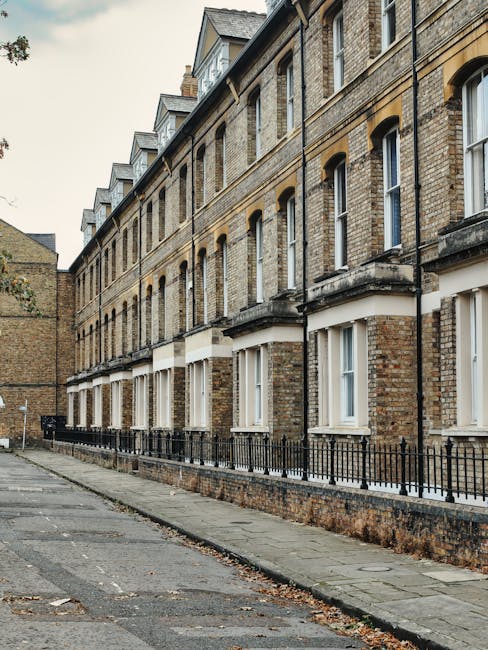
Clapham North flat access problems and removal solutions
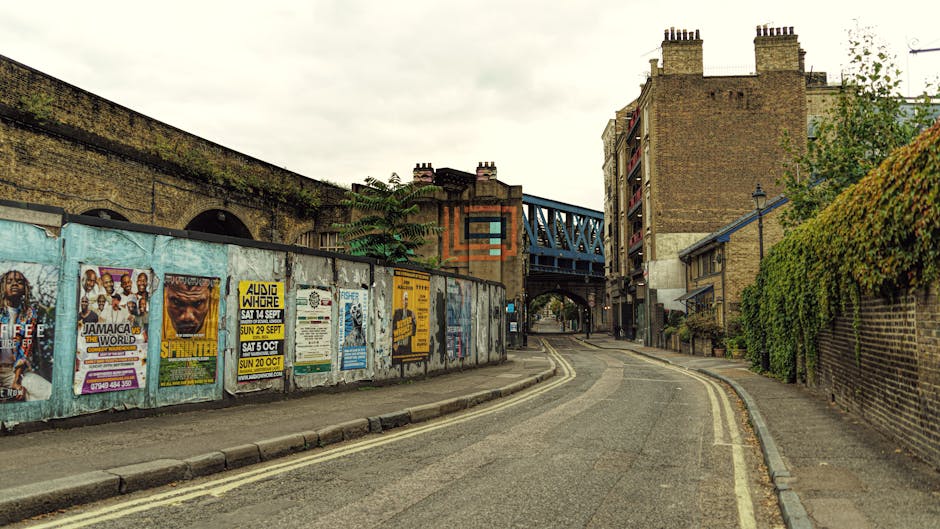
If you are moving in or out of a Clapham North flat, you will already know the awkward bits can start before a single box is lifted. Tight stairwells, narrow Victorian hallways, a basement entrance that feels made for one person at a time, parking pressure, and a van that can't just stop wherever it likes. That is the reality behind Clapham North flat access problems and removal solutions. The move itself may be straightforward on paper, but access can turn it into a slow, sweaty, mildly stressful puzzle.
This guide breaks that puzzle down properly. You will learn why access matters, how removal teams usually handle it, what to check before moving day, and which methods work best for flats around Clapham North. We will also cover common mistakes, practical tools, UK best practice, and a realistic example so you can plan with a bit more confidence. Because, let's face it, nobody wants to be standing on a landing at 8:15 in the morning wondering how a sofa got into the building in the first place.
Why Clapham North flat access problems and removal solutions Matters
Flat access sounds like a small detail until it becomes the main event. In Clapham North, that detail often decides whether a move is tidy and controlled or awkward and expensive. Think about it: a good van, enough movers, and strong packing still won't help much if the lift is too small, the stairs are narrow, or the only stopping point is half a street away.
Access affects almost every part of the move. It changes how long loading takes, how many people are needed, whether bulky furniture can be removed in one piece, and whether a parking arrangement needs to be sorted in advance. It also affects the risk of scrapes, broken items, and strained backs, which nobody wants. Truth be told, most moving problems are access problems in disguise.
In Clapham North, the local mix of converted flats, mansion blocks, maisonettes, and older terraces with split-level layouts creates a few recurring challenges. Some buildings have tight communal entrances. Others have awkward bends on the stairs. Some have lifts, but they are not the generous cargo lifts you dream about when carrying a mattress. So if your move involves anything larger than a suitcase, access planning becomes part of the job, not an afterthought.
That is why a well-planned removals approach matters. It saves time, protects your furniture, and reduces the chance of last-minute chaos. It also helps you choose the right service, whether that is a full flat removals service, a flexible man and van option, or a more specialised solution for bulky items. If you are researching broader moving support, the website's removal services page is also a useful starting point.
How Clapham North flat access problems and removal solutions Works
The basic idea is simple: assess the access, match the vehicle and crew to the building, then move items in the safest and most efficient order. In practice, that means looking at more than just the postcode. A Clapham North flat on the third floor with no lift is a different job from a ground-floor apartment with rear access. Obvious enough, but it gets missed all the time.
A strong removals plan usually starts with a quick access review. This may include:
- floor level and lift availability
- stair width, turns, and head height
- front door and hallway clearance
- whether large furniture needs dismantling
- parking distance from the entrance
- loading restrictions, permit requirements, or timed access windows
- the number of boxes and the rough weight of the move
Once that is known, the removal solution becomes much clearer. For example, a compact van can make sense where parking is tight. A larger truck may be better if access is good and there are many items. If the flat has a small lift, the team may need to split the move into more trips or remove furniture in sections. And if the building access is awkward but the move is otherwise straightforward, careful packing and the right carrying equipment can make a surprisingly big difference.
You will also see why good communication matters. The team needs to know if the sofa won't fit around the bend on the staircase, if the washing machine is still connected, or if the front door only opens fully when wedged back. These little details matter. Quite a lot, actually.
For people who want help with packing before access becomes a bigger issue, packing and unpacking services can reduce the load, while packing and boxes support a neater, safer move. In awkward access situations, good packing is not just tidy - it is part of the access solution.
Key Benefits and Practical Advantages
The right approach to flat access problems gives you more than convenience. It gives you control. And that control tends to show up in several very practical ways.
- Less risk of damage: Furniture is less likely to catch on bannisters, walls, or tight corners.
- Faster loading and unloading: When access is planned, movers are not forced to improvise on the doorstep.
- Lower physical strain: Fewer awkward lifts and fewer surprise manoeuvres on stairs.
- Better timing: Moves are less likely to overrun because the team knows what it is walking into.
- More accurate quotes: Access information helps avoid nasty surprises on the day.
- Reduced neighbour friction: Less blocking of hallways, entrances, and shared parking spaces.
There is also a quieter benefit: peace of mind. It sounds a bit fluffy, maybe, but it matters. When you know the team has the right plan for your building, you stop second-guessing every detail. You can focus on keys, utilities, and the dozen other little things that always seem to appear on moving day.
For local moves, that reassurance is especially useful. Clapham North has busy roads and a fair bit of passing traffic, so every extra minute spent juggling access can become a bigger nuisance than it should be. A well-matched service, such as a smaller removal van or a dependable man with van setup, can be the difference between a smooth handover and a long wait on the pavement.
Who This Is For and When It Makes Sense
This topic is relevant to anyone moving from a flat, but some situations need extra attention. If you fit one of these scenarios, you will probably benefit from planning access more carefully than usual.
- Tenants moving out of a top-floor flat with no lift
- Landlords arranging a changeover between occupants
- Homeowners in converted buildings with narrow internal staircases
- Students moving in or out with limited time and lots of boxes
- People with bulky furniture, mirrors, or fragile items
- Anyone dealing with shared entrances, concierge rules, or parking restrictions
It also makes sense for people who are simply short on help. Maybe the flat mate who promised to help has vanished into the ether. Happens. Or maybe you have a few larger items but do not need a full house move. In those cases, a tailored service is often the sensible middle ground. Something flexible enough to handle awkward access, but not overbuilt for a small move.
Families moving into or out of flats in Clapham North tend to need extra coordination too. Children, pets, lift bookings, and school runs all make the day feel busier. A move that looks simple on paper can become a puzzle of timing and patience once real life gets involved.
If your move is last minute, same-day help may be worth considering. A local option such as same-day removals can be useful when access is awkward but the timeline is tight. Not every move needs that, of course. But when it does, it can be a lifesaver.
Step-by-Step Guidance
Here is a practical way to handle flat access issues without making the day harder than it needs to be.
- Measure the awkward bits early. Check door widths, stair turns, lift size, and the width of any hallway bottlenecks. If the wardrobe barely clears one corner, you need to know that before the van arrives.
- Make a furniture list. Note the large items first: sofa, bed frame, wardrobe, desk, dining table, washing machine, fridge freezer. These are the pieces most likely to cause access trouble.
- Decide what can be dismantled. Removing legs, bed frames, shelves, or table tops often turns a hard move into an easier one.
- Check the parking situation. Can a van stop close to the entrance? Will it need to wait in a bay? Is there a permit, timed restriction, or controlled access route?
- Tell the removals team about the building. Be specific. "Third floor, no lift, narrow stairwell, parking on the opposite side of the road" is far more useful than "it should be fine."
- Pack access-sensitive items separately. Keep fragile boxes, cables, documents, and essentials easy to grab. Do not bury the kettle, unless you enjoy living dangerously.
- Protect shared areas. Use blankets, corner protection, and sensible carrying routes where needed. Communal hallways can get scuffed very quickly.
- Plan the order of loading. Items needed first at the new flat should be loaded last, then unloaded first. A small thing, but it helps a lot.
A useful rule of thumb: if you would struggle to carry the item alone, the team probably wants to know about it in advance. That is not pessimism. It is just good planning.
In many cases, a local move also benefits from a smaller, more manoeuvrable vehicle. For some residents, man with a van support is enough. For others, a larger team and a fuller house removals style approach may be more appropriate, especially if the flat move includes several bulky items or a full family inventory.
Expert Tips for Better Results
Here are the small details that often make a big difference. These are the bits experienced movers pay attention to, even if they do not always say so out loud.
- Book access time early if the building requires it. Some blocks need lift reservations or a concierge sign-in. Leave room for that.
- Keep hallway clutter to a minimum. Shoes, plants, recycling bags, prams - all of it creates friction on moving day.
- Use clear labels. Mark items by room and note fragile boxes clearly. It speeds up both loading and unloading.
- Disassemble only what you can rebuild. If a piece of furniture is awkward, make sure screws and fittings are bagged and labelled.
- Think about weather. A wet London morning can make exterior steps, forecourts, and paved entrances slippery. A bit of caution goes a long way.
- Leave the route open. If you can, keep the path from flat to van as clear and direct as possible.
One extra tip from real-world experience: take a photo of the route before the move. A quick shot of the stairwell, front entrance, or parking area can be oddly useful when you are explaining the job to the removals team. It beats describing a tight corner with your hands while standing in the kitchen, which is less effective than it sounds.
Another small but important point: if you know a sofa or wardrobe is borderline for the stairwell, say so early. Teams can often solve the issue with the right angle, the right straps, or a different route. But they can only work with the information they have.
Common Mistakes to Avoid
A lot of access problems are avoidable. Not all of them, naturally - some buildings are just awkward by design - but enough to make this section worth reading carefully.
- Assuming "flat move" means easy move. Flats can be more complex than houses because of stairs, lifts, and shared access.
- Underestimating parking distance. Ten extra metres does not sound like much until you are carrying a fridge box in July.
- Forgetting about lift size. A lift may exist, but that does not mean a sofa will fit.
- Not measuring big furniture. The item itself may be fine, but the turning space may not be.
- Leaving packing to the last minute. Rushed packing creates weak boxes, loose items, and more time spent searching for essentials.
- Not warning neighbours or managing shared access. A bit of courtesy avoids irritation and makes the day smoother.
- Choosing the wrong vehicle size. Too big can be hard to park; too small can mean extra trips.
The biggest mistake of all is probably silence. People often think they are saving time by not mentioning a difficult staircase, a locked gate, or a broken lift. In reality, they are just moving the problem to the day itself. That never ends well. Well, rarely anyway.
Tools, Resources and Recommendations
You do not need a warehouse of specialist equipment to make a flat move work, but a few tools and sensible resources can help a lot.
Practical tools:
- measuring tape for doors, lifts, and furniture
- trolley or sack barrow for heavy boxes where access allows
- moving blankets for corners and fragile surfaces
- strap set or rope for securing items in transit
- strong tape, labels, and marker pens
- flat-pack tool kit for dismantling furniture
Useful service pages on this site:
- pricing and quotes if you want a clearer idea of costs before booking
- insurance and safety for reassurance about protection and handling
- health and safety policy if you want to understand the safety approach
- complaints procedure if you ever need a formal route for feedback
For people moving lighter loads or a few select items, the site's furniture removals and furniture pick up options may be more appropriate than arranging a full-scale move. And if you are refreshing a flat without taking everything, storage can be helpful for staging, decluttering, or dealing with items that do not yet fit into the new place.
Law, Compliance, Standards, or Best Practice
Flat removals in London are not just about muscle and mileage. There are practical compliance points to consider, even if they do not sound glamorous. In particular, access to flats can touch on parking rules, building management requirements, safe lifting practices, and the handling of items in communal areas.
From a best-practice point of view, the important thing is to avoid blocking entrances, respect building rules, and move items safely. That may sound basic, but it matters. If a building has a concierge, loading bay rules, or time windows for access, those should be followed. If parking is restricted, it is better to plan around it than to rely on luck. London parking officers do not tend to be impressed by optimism.
Safety matters too. Good removal work should reflect sensible manual handling, protective equipment where needed, and attention to trip hazards, especially on stairs and in narrow hallways. Some moves also involve items that need extra care, such as pianos, glass tables, or heavy appliances. In those cases, specialised handling is not a luxury; it is just the safer choice.
If you want to understand how a company approaches safety and responsibility, it is worth reading the site's insurance and safety information alongside the terms and conditions. That way, you know the practical boundaries before moving day arrives.
Useful rule of thumb: if access feels borderline, treat it as a planning issue rather than hoping it will magically sort itself out. It usually won't.
Options, Methods, or Comparison Table
Different access problems call for different solutions. Here is a simple comparison to help you think it through.
| Method | Best for | Strengths | Limitations |
|---|---|---|---|
| Man and van | Smaller flat moves, a few bulky items, flexible schedules | Cost-effective, manoeuvrable, good for tight access | May need more trips for larger loads |
| Flat removals team | Standard flat moves with stairs, lifts, and multiple boxes | More organised, better for heavier or larger inventories | Can be more than you need for a very small move |
| Full removal service | Busy moves, family homes, awkward furniture, time pressure | More support, better for complex logistics | Usually a bigger commitment in planning and budget |
| Furniture-only pickup | Single large items or partial clearances | Simple, quick, useful for one-off items | Not suitable for full household moves |
If you are not sure where your move sits, start small. Ask yourself: is this a few items, a full flat, or something in between? That answer usually points you to the right method faster than any marketing copy ever will. If you still want a broader overview of moving support, the removals page can help frame the options.
Case Study or Real-World Example
Here is a realistic example based on the kind of move people often face in Clapham North.
A renter is moving out of a second-floor flat in a converted building. There is no lift. The stairwell has one awkward turn and a narrow landing near the front door. The flat contains a bed frame, mattress, two wardrobes, a sofa, a dining table, and around thirty boxes. Nothing dramatic, but enough to create trouble if the plan is vague.
What worked well here was simple:
- the bed and wardrobes were dismantled the day before
- the mover measured the widest furniture pieces and checked the stairwell
- parking was arranged as close to the entrance as possible
- fragile boxes were marked clearly
- the load order was planned so essentials came off first at the new place
The result? Fewer pauses on the stairs, less strain, and no surprise damage to the walls. Not a glamorous story, perhaps, but a practical one. The kind of move that feels boring in the best possible way. And boring, on moving day, is often exactly what you want.
For a similar situation with a tighter timeline, a local last-minute moving approach can be useful as background reading, especially if access limits the time available on site. That kind of planning makes a difference when the clock is not on your side.
Practical Checklist
Use this checklist a day or two before the move. It is simple, but it catches the stuff people most often forget.
- Measure doorways, stair turns, and lift dimensions
- Confirm whether the lift is working and whether it needs booking
- Check parking options close to the building
- Tell the removals team about any narrow or awkward access points
- Dismantle large furniture where possible
- Pack fragile items separately and label them clearly
- Keep essential documents and valuables with you
- Protect hallways, corners, and communal spaces if needed
- Warn neighbours or building management if the move may cause temporary disruption
- Keep water, phone chargers, and a small essentials bag nearby
Expert summary: The best Clapham North flat moves are usually not the ones with the biggest crew or the biggest vehicle. They are the ones where access has been thought through early, furniture has been measured honestly, and everyone knows the plan before the first box leaves the flat.
Conclusion
Clapham North flat access problems and removal solutions are really about one thing: matching the move to the building instead of pretending every flat is built the same. Once you look closely at stairs, lifts, parking, turning space, and furniture size, the whole process becomes much more manageable. Less guesswork, fewer delays, and fewer bruised shins. A better day all round.
If your flat has awkward access, do not wait for moving day to reveal it. Measure early, describe the building clearly, and choose the removal method that fits the reality on the ground. A careful plan now will save you a lot of noise, carrying, and low-level panic later. And honestly, that is worth it.
Get a free quote today and see how much you can save.
Frequently Asked Questions
What are the most common flat access problems in Clapham North?
The most common issues are narrow staircases, small lifts, awkward bends, limited parking, and shared entrances that make loading slower. Converted buildings often create the trickiest access.
How do I know if my sofa will fit through the stairwell?
Measure the sofa, the stair width, and the tightest turns before moving day. If the measurements are close, tell the removals team early so they can plan the carry route or dismantle the item if possible.
Is a man and van service enough for a flat move?
Sometimes, yes. If you have a smaller load or only a few bulky items, a man and van service can be ideal. For larger flats or difficult access, a fuller removals team may be the better fit.
What should I do if the building has no lift?
Let the movers know straight away, keep the route clear, and consider dismantling furniture to reduce bulk. A no-lift move is still very manageable, but it needs honest planning.
Can removals teams help with packing in awkward-access flats?
Yes. Packing support can be especially useful where stairs are tight or time is limited, because well-packed boxes are easier and safer to carry. It also reduces the chance of damage from rushed handling.
Should I book a bigger van just in case?
Not always. A bigger van may sound safer, but it can be harder to park near some Clapham North flats. The best vehicle is usually the one that balances load space with access reality.
How far in advance should I plan access for a flat move?
As early as you can, ideally once your move date is known. That gives you time to measure, book any lift or parking arrangements, and sort out dismantling or packing before the pressure builds.
What if I only have one or two large items to move?
For one or two large items, a furniture pickup or smaller removal option may be enough. This is often more practical than booking a full flat move, especially if access is tight.
Are same-day removals suitable for difficult access?
They can be, provided the team is told about the access issues in advance and the move is realistically manageable. Same-day services are most effective when expectations are clear from the start.
Do I need to worry about parking restrictions in Clapham North?
Yes, definitely. Parking restrictions and loading limitations can affect timing and distance from the flat. It is always better to check the situation early than to assume the van can stop right outside.
How can I reduce the risk of damage in a narrow hallway?
Use blankets or protective covers where appropriate, keep the route clear, and dismantle larger furniture when possible. Clear communication with the movers also helps them plan safer angles and carrying methods.
Where can I find more information about moving services and costs?
You can start with the site's pricing and quote information, along with the relevant service pages for flat moves, furniture removal, or packing support. That usually gives a clearer picture of what fits your situation best.
What is the smartest first step if I am unsure about access?
Measure the key points, take a few photos, and describe the building honestly. That simple step answers more questions than guesswork ever will and helps the removals team recommend the right solution.
Sometimes the smallest bit of planning saves the biggest headache. A quiet, well-handled move really is a lovely thing.