Clapham Common removals guide for flats and houses
Posted on 20/06/2026
Clapham Common Removals Guide for Flats and Houses
Moving around Clapham Common sounds simple on paper. Then the boxes appear, the stairs get narrower, the parking gets tighter, and suddenly you are juggling keys, lift bookings, and a sofa that looked perfectly reasonable in the showroom. This Clapham Common removals guide for flats and houses is here to make that whole process feel a lot less messy.
Whether you are moving out of a first-floor flat near the Common, upsizing to a family house, or trying to get everything done before a handover deadline, the details matter. A good move is rarely about brute force. It is about timing, route planning, packing order, and knowing which bits of the day tend to go sideways. Let's make it easier.
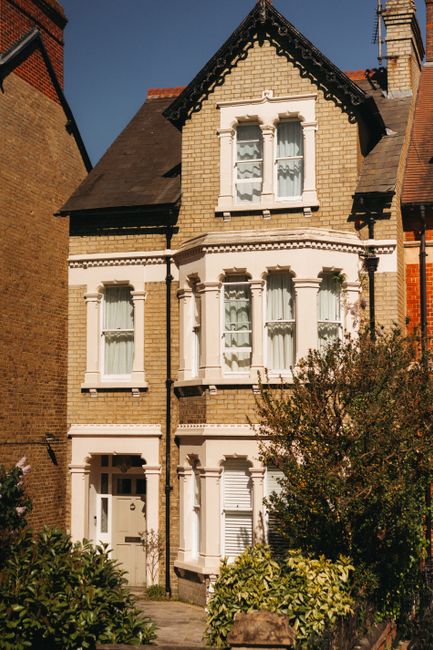
Why Clapham Common removals guide for flats and houses Matters
Clapham Common is a brilliant place to live, but moving here can be awkward in the small, very human ways that make removals stressful. Flats often mean shared entrances, limited loading space, lift rules, and stairwells that seem to shrink as soon as a mattress arrives. Houses bring a different set of issues: more volume, more furniture, more chances to forget the items tucked away in lofts, sheds, and under-stairs cupboards.
That is why a locality-aware removals plan matters. You are not just shifting items from A to B. You are working around access, neighbours, building management, parking restrictions, and the reality that a move day has a way of running five minutes behind right from the start. If you have ever stood on a pavement with a wardrobe while waiting for someone to answer the intercom, you will know exactly what I mean.
A proper guide helps you spot the bottlenecks before they become expensive delays. It also helps you choose the right type of help. For a compact flat, a flexible man and van in Clapham may be enough. For a larger family home, a more structured approach like house removals in Clapham is usually a better fit. And if you are still weighing up the type of provider, it can help to review removal companies in Clapham before making a decision.
Expert summary: the better your move fits the property type, the smoother the day tends to be. Flats usually reward precision and speed. Houses usually reward planning and volume control. Get those two things right and the rest becomes much more manageable.
How Clapham Common removals guide for flats and houses Works
The moving process around Clapham Common usually follows the same broad pattern, but the way it plays out depends on the property. For flats, the key stages are access, parking, protective wrapping, and quick loading. For houses, the focus shifts toward inventory, room-by-room packing, larger vehicle capacity, and the order in which heavier items are loaded.
In practical terms, a typical move begins long before the van turns up. You assess what you are taking, separate what needs dismantling, confirm parking or loading arrangements, and make sure the route from front door to vehicle is clear. That sounds obvious. Yet the moment someone leaves a bike, a planter, and a random box in the hallway, the whole rhythm changes.
If your flat move includes stairs, tight corners, or awkward furniture, a specialist service such as flat removals in Clapham can be particularly useful. If you need boxes, tape, and protective materials sorted in advance, packing and boxes in Clapham is the sort of support that saves a lot of last-minute panic. And if the move involves bulky furniture, don't underestimate the value of furniture removals in Clapham.
Most providers will also ask about timings, item lists, fragile pieces, and access limitations. That is not admin for the sake of it; it is how they decide vehicle size, crew size, and whether the job can be done in one trip or two. Honestly, that bit is where a lot of stress gets prevented before it begins.
Key Benefits and Practical Advantages
A well-planned removals process gives you more than just convenience. It can save time, reduce damage, and stop move day from becoming a half-finished argument with a wardrobe door. Here are the benefits people notice most often.
- Less time wasted at the kerb because access and parking are planned in advance.
- Lower damage risk when fragile items, furniture, and appliances are packed properly.
- Better use of vehicle space through sensible loading and item grouping.
- Less disruption to neighbours when the move is faster and more coordinated.
- Fewer last-minute surprises because you have already checked stairs, lifts, and entry points.
- More confidence on the day because everyone knows what happens first, second, and third.
There is also a quieter benefit that people sometimes miss: mental relief. A move can feel oddly noisy even before the actual lifting starts. Once you have a plan, a lot of that background noise drops away. You can breathe a bit. You can make tea without feeling guilty. Small thing, but it matters.
If you are comparing service levels, a simple move may work well with man and a van in Clapham, while more involved relocations often need removal services in Clapham. For anything with a tight schedule, same-day removals in Clapham can be worth exploring, although it is always better to book ahead if you can.
Who This Is For and When It Makes Sense
This guide is useful if you are moving from or to a flat, maisonette, terraced house, or larger family home near Clapham Common. It is especially relevant if you have a lot of furniture, awkward access, or limited time between move-out and move-in dates.
You will probably find it most useful if you are:
- leaving a rental flat and need a fast, orderly departure;
- moving into a period house with narrower doorways or stairs;
- sharing a building with other residents and need to minimise disruption;
- moving on a tight deadline between tenancies;
- trying to protect valuable, fragile, or sentimental items;
- unsure whether to choose a van-only service or a fuller removals package.
It also makes sense if you are in a transition period. Maybe you have sold quickly, maybe your new place is not quite ready, or maybe the chain has done that charming London thing where everyone is "nearly there" for a week. In that kind of situation, a flexible move plan and possibly storage in Clapham can be the difference between chaos and calm.
Students and younger renters often need lighter, quicker help, which is where student removals in Clapham can fit nicely. Office-based moves are different again, but the same logic applies: match the service to the load, the access, and the clock.
Step-by-Step Guidance
If you want the move to feel controlled rather than improvised, follow a simple sequence. You do not need fancy systems. You need a clear order and enough discipline to stick to it. Not glamorous, but effective.
- Take a full inventory. Walk through every room and note big items, fragile pieces, and anything that needs dismantling.
- Check access properly. Measure tight turns, stair widths, lifts, and entry points. For houses, remember lofts, basements, and garden rooms.
- Sort parking and loading space. A van parked too far away adds time and strain. It really does.
- Pack by room and priority. Label boxes clearly, and keep essentials separate so you can find them quickly on arrival.
- Protect furniture and breakables. Use proper wrapping, blankets, and padding. One bad knock on a table leg can turn a smooth day into an annoying one.
- Confirm timings with the mover. Give them the details they need: address, access notes, floor level, lifts, and any restrictions.
- Prepare the new property. Make sure keys are ready, utilities are arranged, and the main rooms are clear enough to unload efficiently.
- Do a final sweep. Check cupboards, sockets, shelves, under beds, and the back of the washing machine. People forget these things all the time.
For larger or more delicate jobs, it can help to review the service overview before deciding which bits of the move you want handled professionally. If your move is heavily furniture-led, furniture removals in Clapham may be the more sensible route. If your furniture includes specialist items, such as a heavy piano, there is a dedicated piano removals in Clapham option too.
And yes, label the kettle box. You will thank yourself at 8:40 p.m. when the mugs are still in a mystery pile.
Expert Tips for Better Results
The obvious advice is useful, but the small practical details are what tend to save the day. These are the things professionals watch for early.
First, protect the route. In flats, hallways and stairwells are where damage often happens, not in the van. A thin wall, a painted banister, or a tight corner can create a problem very quickly. In houses, door frames and low ceilings do similar mischief.
Second, separate the "must-have today" items. Put documents, chargers, toiletries, medication, tea supplies, and one clean set of bedding into a clearly marked essentials bag. You can survive a day without your decorative cushions. You cannot always survive without a phone charger.
Third, keep fragile pieces visible. A box may be labelled "FRAGILE" and still be loaded under a pile of heavier items if nobody has been told what is what. Clear communication matters more than fancy packaging.
Fourth, do not overpack boxes. This is a classic mistake. Heavy books in a large box are manageable only until you need to carry them up two flights of stairs. Then they become a personal life lesson.
Fifth, ask for the right kind of vehicle. A smaller van can be ideal for compact flats and short local moves, while a larger load might need a more substantial removal van in Clapham. The right size reduces trips, time pressure, and the temptation to play Tetris with your sofa.
If you value transparency around budgeting and planning, it helps to look at pricing and quotes early. And if you want to understand the people behind the service, about us is worth a read before you book. Trust is not a decoration. It is part of the process.

Common Mistakes to Avoid
Most moving headaches come from a few repeated errors. Avoid these and you are already ahead.
- Leaving packing until the last two nights. This creates rushed labelling and missed items.
- Assuming access will be easy. It often is not, especially in older buildings around the Common.
- Underestimating the number of trips. Small vans can be great, but only if the load fits the plan.
- Ignoring building rules. Some blocks have specific time windows, lift protection requirements, or loading instructions.
- Failing to measure large furniture. Sofas and wardrobes have a funny way of becoming too wide after you have already committed.
- Not arranging storage when there is a gap between addresses. That gap is where moves get messy.
- Forgetting insurance and liability questions. You want to know who is responsible if something gets damaged during transit.
One overlooked issue is emotional overpacking. People hold on to items they no longer need because the moving day feels too busy for decision-making. It is understandable, but it can inflate the move and slow everything down. If there is a cluttered loft, a spare room full of "sort later" boxes, or a cupboard that has quietly become a museum, deal with it before the van arrives if you can.
Tools, Resources and Recommendations
You do not need a mountain of equipment, but a few practical tools make a big difference. A move near Clapham Common tends to go more smoothly when you have the basics ready.
- Strong boxes in mixed sizes for books, kitchen items, clothes, and mixed household goods.
- Packing tape and labels so boxes stay shut and rooms stay identifiable.
- Furniture blankets and wrap to protect polished surfaces and corners.
- Marker pens for quick room labels and "open first" notes.
- Gloves and sturdy shoes for anyone helping with lifting.
- Measuring tape for doorways, stair turns, and bulky furniture.
- Whiteboard or moving checklist if several people are involved and you need a central plan.
From a service standpoint, useful supporting pages include man with van in Clapham for lighter moves and removals in Clapham for fuller relocations. If you are trying to make the process more environmentally responsible, recycling and sustainability is a sensible place to look. And if you have questions before booking, the easiest route is usually to get in touch and explain the move in plain English.
That last part matters. The best results usually come from the most unglamorous habit: telling people exactly what you need.
Law, Compliance, Standards, or Best Practice
For most residents, a move is mainly about practical planning. Still, a few compliance points and best-practice habits are worth keeping in mind. This is especially true in London, where parking, access, and building management can all add friction.
First, check whether your building has any move-in or move-out rules. Many blocks ask for advance notice, lift padding, restricted hours, or a security deposit for damage risk. These requirements vary, so it is wise to confirm them directly with the building or managing agent rather than assume anything.
Second, think about parking and loading carefully. A van blocking traffic or overstaying in a loading bay can turn a routine job into a stressful one. Local restrictions may apply, and the safest approach is always to plan for the worst-case version of access, not the best-case fantasy version.
Third, ask your removals provider about insurance and safety practices. A reputable team should be able to explain how items are handled, what protection is used, and how risks are managed. You can also review the company's own insurance and safety information and health and safety policy if you want that reassurance before the move.
Fourth, if you are storing possessions between properties, make sure the storage arrangement is suitable for the type of items you are keeping. Paperwork, electronics, fabrics, and antique furniture all respond differently to temperature, moisture, and handling. Not every box wants the same treatment, unfortunately.
Finally, make sure you understand the terms you are agreeing to. Booking terms, cancellation rules, payment expectations, and complaint routes matter. If something is unclear, the relevant pages like terms and conditions, payment and security, and complaints procedure help set expectations in a straightforward way.
Best practice in one sentence: confirm access, confirm responsibility, confirm timings. That trio solves more problems than any fancy packing hack ever will.
Options, Methods, or Comparison Table
Different moves need different approaches. Here is a simple comparison to help you decide what fits best.
| Move type | Best suited for | Strengths | Watch-outs |
|---|---|---|---|
| Man and van | Small flats, light loads, local moves | Flexible, practical, often quick | Can be tight on space for larger furniture |
| Flat removals | Flats with stairs, lifts, or limited access | Designed for access challenges and apartment logistics | Needs accurate property details to avoid delays |
| House removals | Family homes, larger inventories, multi-room moves | Better for volume, structured loading, fuller service support | More planning required, especially if access is awkward |
| Same-day removals | Urgent moves or short-notice changes | Fast response and convenience | Availability may be limited, and planning time is short |
| Storage-led move | Delayed completion, renovations, temporary gaps | Good buffer between addresses | Needs careful inventory and packing discipline |
There is no single right answer. A one-bed flat near Clapham Common often suits a lighter setup, while a three-bedroom house with a piano, bikes, and garden furniture needs more structure. The goal is not to buy the most service. It is to buy the right one.
Case Study or Real-World Example
Take a fairly typical local move. A couple leaves a second-floor flat just off Clapham Common and moves into a terraced house a short drive away. On the surface, that sounds simple enough. But the flat has a narrow stairwell, the sofa is awkwardly shaped, the dining table has to be dismantled, and the new house is not quite ready for everything because one room is still being painted.
Instead of turning up with random boxes and hope, they do three things first: they book a mover with the right vehicle, they box the kitchen in advance, and they keep a small essentials bag separate. They also arrange temporary storage for a few non-urgent items, which helps keep the move-out date clean.
The result? Fewer trips. Less standing around. No one spends the afternoon trying to wedge a mattress around a staircase while muttering under their breath. The day still takes effort, of course, but it feels orderly rather than chaotic.
That is the real lesson. A smooth move is rarely about being perfect. It is about removing the avoidable friction points before they get a chance to multiply.
Practical Checklist
Use this checklist to keep the move grounded and manageable.
- Confirm move date, arrival time, and access instructions.
- Check whether the property is a flat or house, and note all stairs, lifts, and narrow points.
- Measure large furniture before move day.
- Book the right size vehicle or removals service.
- Reserve parking or loading space if needed.
- Pack fragile items with padding and clear labels.
- Set aside essentials for the first 24 hours.
- Disassemble furniture only if it genuinely helps access.
- Take meter readings and final property photos if required.
- Do a final room-by-room sweep before leaving.
- Keep keys, documents, and chargers with you rather than in a random box.
- Plan storage if the new home is not ready yet.
If you only do three things well, make them these: prepare access, label everything, and keep essentials separate. Simple. Effective. A little boring, which is usually a good sign on moving day.
Conclusion
Moving around Clapham Common does not have to feel frantic. Once you understand the property type, the access issues, and the size of the job, everything becomes easier to manage. Flats need speed, precision, and careful handling. Houses need more planning, more capacity, and a clearer loading sequence. The smartest moves are the ones that respect those differences from the start.
So whether you are preparing a compact flat, a family house, or something in between, think in terms of order rather than urgency. Pack with purpose. Measure the awkward bits. Ask the right questions early. It makes a bigger difference than most people expect, and a calmer move is always a better move.
Get a free quote today and see how much you can save.
And if all else fails, put the kettle on first. It's amazing what a cup of tea can do for a moving day.