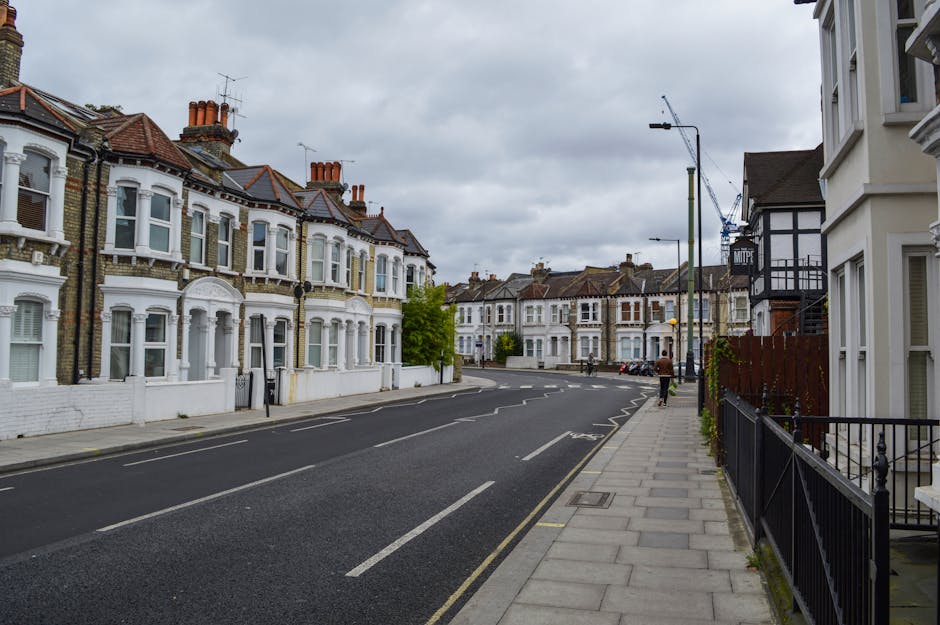
Abbeville Road Clapham removals tips for narrow streets
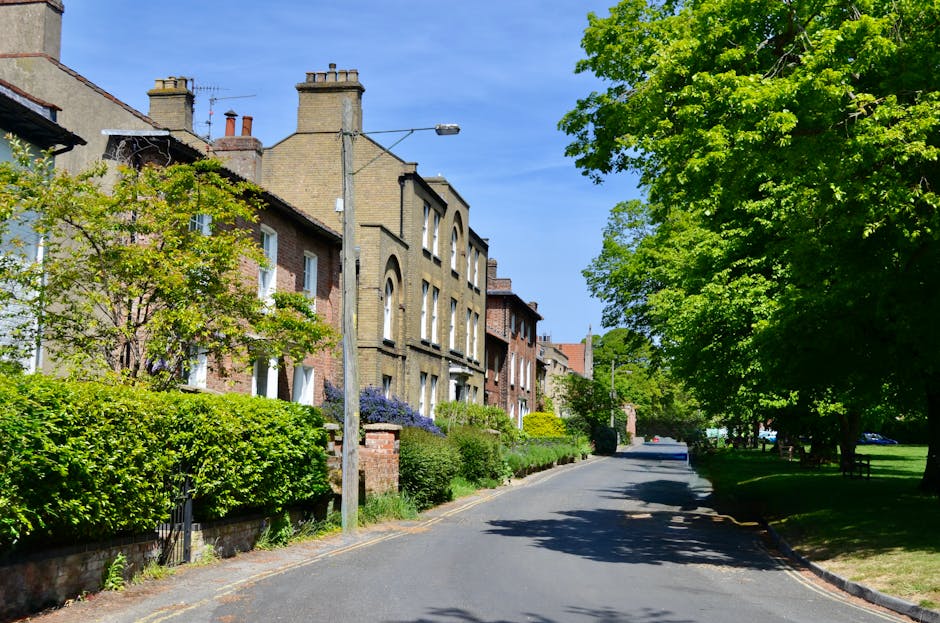
Moving on or near Abbeville Road in Clapham can feel straightforward on paper, then suddenly a parked car, a tight bend, or a bin day turns everything into a bit of a squeeze. That is exactly why Abbeville Road Clapham removals tips for narrow streets matter: they help you plan the move around the road, not just the address. In practice, narrow streets need a calmer pace, smaller vehicles, better timing, and a moving team that understands how quickly a simple loading job can become awkward. If you are trying to avoid blocked access, damaged furniture, or a stressful hand-carry from the van, this guide will walk you through it properly.
Whether you are moving from a flat, a family home, or a small business premises nearby, the same principle applies: the fewer surprises on the day, the better. And honestly, in a street like this, surprises tend to arrive early.
Why Abbeville Road Clapham removals tips for narrow streets Matters
Abbeville Road and the surrounding Clapham streets are the kind of places where moving day success depends on small details. A road can look "fine" in the morning and still be a headache once a row of parked cars appears, delivery vans stop for five minutes, or a neighbour leaves a wheelie bin exactly where you need to turn. That is the real issue with narrow streets: there is much less room to absorb mistakes.
For removals, limited width affects almost everything. Vehicle size, turning space, where the van can safely wait, how long loading takes, and whether your sofa can be moved without scraping a wall all matter more than they would on a wide road. A move that feels routine on a suburban street can become a slow, stop-start job in Clapham if it is not planned with the road conditions in mind.
There is also the people side of it. Narrow streets can mean neighbours, pedestrians, cyclists, school runs, and the odd impatient driver all sharing the same tight space. So the goal is not just to "fit the van in". The goal is to keep the move efficient, respectful, and safe. That sounds simple, but let's face it, it takes preparation.
Expert summary: The best narrow-street removals are usually the ones that use a smaller vehicle, a tighter timetable, a clear loading plan, and a team that is ready to carry items a little further if needed. Less drama, fewer delays.
How Abbeville Road Clapham removals tips for narrow streets Works
A successful narrow-street move usually starts before the van even arrives. First, the route is checked. Then the access is assessed. Then the loading and unloading process is broken into manageable steps so nobody is trying to improvise on the pavement with a mattress under one arm. That rough image is funny until you are the person doing it.
In practical terms, the process often looks like this:
- Confirm the best arrival time when the street is likely to be least congested.
- Choose a vehicle size that can actually manoeuvre without stress.
- Identify where the van will stop, turn, or wait if full kerbside access is not possible.
- Pre-pack furniture and boxes so loading is fast and tidy.
- Use a carry route from the property to the vehicle that avoids awkward corners and bottlenecks.
- Protect walls, floors, bannisters, and door frames before heavy items move.
This is where a good man and van setup often makes sense. On streets like these, flexibility matters more than brute force. A smaller van can be easier to position, easier to unload, and less likely to block the road while everyone stands around wondering how it all happened.
If your move is larger, the same thinking still applies. You may need a staged approach, a bigger team, or even short-term storage if access constraints make same-day loading unrealistic. That is not a failure. It is just smart planning.
Key Benefits and Practical Advantages
When narrow-street removals are handled well, the benefits show up in obvious and not-so-obvious ways. The obvious one is less stress. The less obvious one is fewer incidents that cost time or money later.
- Faster loading and unloading: A clear access plan keeps the day moving instead of waiting on a last-minute fix.
- Lower risk of damage: Better positioning reduces the chance of scratched furniture, clipped mirrors, or scuffed paintwork.
- Less disruption to neighbours: Efficient timing and tidier parking are simply better manners in a residential street.
- Better use of labour: Movers spend their time moving, not shuffling the van back and forth ten times.
- More predictable timing: You get a more realistic schedule, which matters if you have building access windows or handover times.
There is also a confidence benefit. If you know your move is planned for a narrow road, you stop worrying about the "what ifs" and start focusing on the actual change ahead. That matters more than people admit. Moving day is already a lot.
Who This Is For and When It Makes Sense
This kind of advice is useful for anyone moving near Abbeville Road, but it becomes especially important if you are dealing with one or more of the following:
- Terraced houses with limited frontage
- Top-floor flats with tight stair access
- Converted Victorian properties where hallways are narrow and corners are awkward
- Busy streets with regular parked cars on both sides
- Moves involving bulky furniture or specialist items such as a piano
- Students or renters moving on a tight timescale
- Businesses relocating from small office spaces where access is shared with neighbouring premises
It also makes sense if you are comparing moving options and trying to decide whether a full-scale removal lorry is really necessary. Sometimes a smaller, more nimble approach works better. For flats in particular, flat removals can be a much better fit than sending in a vehicle that is too large for the street and too awkward for the loading bay, if there even is one.
Truth be told, narrow streets are often less about the address itself and more about the last fifty metres. That final stretch is where planning pays off.
Step-by-Step Guidance
If you want a move on a narrow Clapham street to feel manageable, follow a clear sequence. This is the part where simple organisation does most of the heavy lifting.
1. Measure the access, not just the rooms
Check the width of the road, the position of parked cars, gate openings, staircases, and any tight turns inside the property. A room can be easy to pack and still be a nightmare to extract. Measure sofas, wardrobes, beds, and large appliances so you know what needs disassembly.
2. Decide what the van needs to do
Will the vehicle stop directly outside, or will it need to wait a little further away? Can it turn around easily, or will reversing be involved? These questions sound basic, but they shape the whole job. If the answer is "probably not" to any of them, you need a more cautious plan.
3. Reduce the load before moving day
Declutter first. You do not want to carry things through a tight doorway if you do not need them in the first place. If you are clearing out bulky items, a dedicated furniture removals service can help remove old pieces safely, especially where stairs and street access both work against you.
4. Pack for speed and control
Use sturdy boxes, label them clearly, and keep the heavy items at the bottom. A narrow street move benefits from tidy stacking because the loading pattern matters more. Heavy items should travel first if they are coming from upstairs, while fragile items should be set aside in a protected zone.
5. Book a vehicle that suits the street
Not every move needs the biggest vehicle available. In fact, on a compact road, smaller often wins. If you are unsure, look at a removal van or a more flexible removal services option rather than assuming a larger truck is always better.
6. Protect the building and the load
Use covers, blankets, tape, and floor protection where needed. Door frames and bannisters are the usual casualties when people rush. It happens quickly, too quickly sometimes. One second someone is "just turning it round", and the next there is a scuff that nobody wanted to own.
7. Build in time for access delays
Plan for a little slack. A neighbour may be reversing out, a delivery may block the road, or a key handover might run a few minutes late. That spare bit of time can be the difference between a calm move and a frantic one.
Expert Tips for Better Results
Here is where the real-world detail matters. In our experience, the people who cope best with narrow-street removals are the ones who make small, sensible decisions early.
- Book an early slot if possible. Mornings are often easier because the road tends to be quieter and everyone has a little more patience.
- Pre-disassemble large furniture. Beds, table legs, shelving, and some wardrobes are much easier to move in pieces.
- Keep the first-load items near the front door. That saves time when the team starts carrying boxes out.
- Use colour labels for rooms. It sounds minor, but it reduces confusion when items are unloaded on the other side.
- Tell neighbours if access may be tight. A quick word can prevent the kind of tension nobody needs on moving day.
- Have one person act as the access point contact. Too many voices lead to confusion. One calm person at the door is usually enough.
A small but useful tip: keep a "last off" box with keys, charger cables, documents, tea bags, and toiletries. Sounds boring. It is not. When the kettle is still packed, that box becomes the hero of the evening.
If your move includes fragile or awkward items, professional packing and boxes support can save a lot of fuss. It is one thing to pack books. It is another to get a lamp, glassware, and a full-length mirror through a narrow stairwell without a wobble.
Common Mistakes to Avoid
Most moving problems on tight streets are preventable. The bad news? They are very easy to create. The good news? Once you know the patterns, you can sidestep them.
- Using a vehicle that is too large: Bigger is not always better. An oversized van can add stress without adding value.
- Ignoring parking and stopping space: Even a short stop can be difficult if the street is already busy.
- Leaving packing to the last minute: Late packing leads to awkward lifting, messy loading, and damaged items.
- Forgetting stair and doorway measurements: Some furniture can technically fit, but only if it is tilted, turned, and handled carefully.
- Overfilling boxes: This slows everything down and makes carrying more dangerous. Books are sneaky like that.
- Not planning for unloading order: If the wrong items are buried at the back of the van, the whole process gets slower.
There is one more mistake that deserves a mention: assuming everyone knows the street. They might not. Even experienced crews need the right information about access, parking, and any awkward building features. A two-minute briefing before the van arrives can prevent a twenty-minute headache later.
Tools, Resources and Recommendations
You do not need a giant toolkit, but a few practical items make narrow-street removals much easier. The right equipment helps the team work cleanly and safely, especially where space is limited.
| Tool or item | Why it helps on narrow streets | Best used for |
|---|---|---|
| Furniture blankets | Protects corners, paintwork, and delicate finishes | Tables, wardrobes, mirrors, cabinets |
| Straps and ties | Keeps loads secure in transit | Boxes, appliances, stacked items |
| Labels and markers | Makes unloading quicker and more organised | Room labelling, fragile items, priority boxes |
| Door and floor protection | Reduces scuffs in tight hallways and entrances | Front doors, stair edges, corridors |
| Hand truck or dolly | Helps move heavier items without unnecessary lifting | Appliances, stacked boxes, heavy furniture |
If you are moving on a tight timetable, same day removals may also be worth considering, though only if the access details are clear and the job is realistically manageable within the day. Speed is helpful, but only when it does not create chaos.
For larger house moves, it can also make sense to compare house removals with a smaller vehicle-led approach. The best choice is the one that fits the building and the street, not the one with the biggest label on it.
Law, Compliance, Standards, or Best Practice
For local removals in London, the main thing to keep in mind is that road access, parking, and obstruction issues need to be handled responsibly. You may need to think about where a vehicle can safely stop, how long it can stay there, and whether your move could affect other road users or residents. The exact requirements depend on the location and the vehicle involved, so it is wise to check in advance rather than assume everything is fine.
Best practice is just as important as formal compliance. That means safe lifting, clear communication, sensible loading, and proper care around pedestrians and parked cars. A good moving team should also work in line with its own safety procedures and insurance arrangements. If you want a better sense of how a provider approaches this, you can review the company's health and safety policy and insurance and safety information before booking.
For customers, the practical takeaway is simple: ask sensible questions early. Is the van suitable for the road? What happens if access is blocked? How is fragile furniture protected? Those are normal questions, not fussy ones. They are exactly the questions that prevent problems.
It also helps to understand the booking terms, pricing structure, and payment process in advance. If you are comparing movers, take a moment to read the pricing and quotes page and the terms and conditions. A little clarity up front keeps everyone happier later.
Options, Methods, or Comparison Table
Not every narrow-street move should be handled the same way. The right method depends on what you are moving, how much space the road offers, and how much time you have.
| Method | Best for | Pros | Possible drawback |
|---|---|---|---|
| Small van / man and van | Flats, student moves, lighter loads, awkward streets | Easier to park, easier to manoeuvre, often quicker on narrow roads | May need more trips for larger loads |
| Full house removal team | Larger family homes or full-property moves | More hands, better for heavy furniture, more structured loading | Needs stronger access planning and more space |
| Staged move with storage | Moves with access restrictions or timing gaps | Reduces pressure on the day, gives more flexibility | Requires an extra step and careful coordination |
| Same-day move | Urgent relocations with clear, simple access | Fast, convenient when everything lines up | Less forgiving if access or packing is not ready |
For many Abbeville Road moves, a compact vehicle with a well-organised crew is the sweet spot. If you are moving from a smaller property, especially one with stairs and limited frontage, man with van or man with a van style support can be more practical than a larger removal setup. Not always. But often enough to be worth considering.
Case Study or Real-World Example
Here is a realistic example. Imagine a two-bedroom flat just off Abbeville Road, with a narrow staircase, no lift, and a street that already has parked cars on both sides by mid-morning. The move includes a sofa, two beds, several boxes of books, a dining table, and a couple of awkward lamps. Nothing outrageous, but enough to test the access.
The most effective approach would usually be:
- Arrive early before the street fills up.
- Use a smaller van so positioning is easier.
- Take the beds apart before the moving team arrives.
- Keep fragile items boxed and labelled separately.
- Protect the hallway and front door before lifting begins.
- Load the heaviest items first, then the boxed items, then the delicate pieces last.
In a move like that, the difference between a smooth day and a messy one is usually not the furniture itself. It is the access plan. A crew that understands narrow streets will not force the schedule to fit the van; they will fit the van to the street. Small difference, big impact.
If you are moving out of a flat and need extra help with the packing and unboxing side, packing and unpacking services can reduce the pressure a lot. That can be especially handy if you are trying to settle in before work the next day and do not fancy living out of cardboard boxes for a week.
Practical Checklist
Use this checklist a day or two before the move. It is simple, but it covers the bits that tend to get forgotten when people are busy.
- Confirm the move date, arrival time, and access instructions.
- Check whether the street is likely to be busy with parked cars or deliveries.
- Measure large furniture and note anything that needs dismantling.
- Pack and label all boxes clearly by room.
- Set aside essentials, documents, chargers, and toiletries.
- Protect fragile items with proper wrapping and sturdy boxes.
- Clear hallways, doorways, and landings before the team arrives.
- Decide where the van can safely stop if kerbside space is limited.
- Tell neighbours if the move may briefly affect access.
- Keep keys, contact details, and any building entry instructions to hand.
If you are moving from a rented flat, student property, or temporary accommodation, you may also want to look at student removals for a lighter, more flexible service style. It is often a better fit than paying for capacity you do not actually need.
Get a free quote today and see how much you can save.
Conclusion
Abbeville Road Clapham removals tips for narrow streets come down to one simple idea: plan for the road you actually have, not the road you wish you had. Narrow streets reward preparation, smaller vehicles, tidy packing, and a calm, realistic approach. They punish guesswork. A bit harsh, maybe, but true.
Whether you are moving a flat, a family home, or a business space nearby, the smartest move is the one that keeps the process controlled from start to finish. Measure carefully, pack well, choose the right vehicle, and leave a little room for the unexpected. Moving day can still be busy, of course. It just does not have to be frantic.
And when you are standing outside the property with the last box in hand, hearing the door click shut behind you, it is a good feeling to know you handled the tricky bit properly.
Frequently Asked Questions
What is the best vehicle for removals on narrow streets in Clapham?
Usually a smaller, more manoeuvrable van is the safest choice, especially where parked cars and tight turns limit access. The best vehicle depends on the load size and the street layout, so it is worth matching the van to the access rather than choosing the biggest option available.
How do I know if a moving van can fit on Abbeville Road?
You should check the road width, parked-car density, and any turning space near the property. In practice, a site check and a conversation with the moving team usually reveal whether a larger vehicle will work or whether a smaller van is more sensible.
Should I book a man and van service for a flat move near Abbeville Road?
For many flat moves, yes, especially if the load is moderate and the road is tight. A flexible service like a man and van setup can be a good fit where a larger truck would be awkward.
How early should I start planning a narrow-street removal?
Ideally, you should start as soon as your move date is confirmed. The earlier you measure furniture, organise parking plans, and sort packing, the easier the day becomes. Even a few days of preparation can make a noticeable difference.
Can large furniture be moved through narrow hallways?
Often yes, but it may need dismantling or careful manoeuvring. Wardrobes, beds, and large tables are the usual candidates. If an item is especially awkward, professional furniture handling is usually safer than forcing it.
What if the street is blocked by parked cars on moving day?
That is one of the most common issues on narrow London roads. The best response is to build flexibility into the plan, arrive early if possible, and choose a crew that can adapt if the ideal stopping point is not available.
Are same-day removals suitable for narrow streets?
They can be, but only when access is straightforward and the packing is already done. A tight street adds pressure, so same-day moves work best when the load is simple and the plan is very clear.
Do I need storage if access is limited?
Sometimes, yes. If the new property is not ready, if access windows are restrictive, or if the load is too large for one clean move, short-term storage can be a sensible bridge.
How can I reduce the risk of damage on a narrow-street move?
Use proper packing materials, protect entrances and floors, dismantle bulky furniture where possible, and keep the loading route clear. A slower, more organised approach usually causes less damage than rushing.
Is it worth hiring professionals for a small move on a tight street?
Often yes. Small moves can still be difficult when the road is narrow or access is limited. Professionals bring the right equipment, pacing, and know-how, which can save you time and a fair bit of frustration.
What should I tell the moving team before they arrive?
Give them the exact address, access instructions, parking limitations, stairs, lift details, and any items that need special handling. The more accurate the information, the smoother the move will be.
Where can I check pricing or request help before booking?
You can review the company's pricing and quotes information and then decide what level of service fits your move. If you want to understand who is handling the job, the about us page is also a useful place to start.